
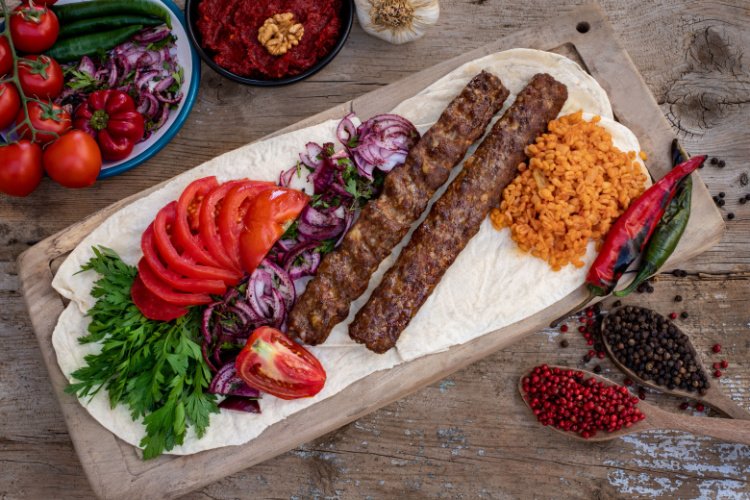
Savor the Authentic Taste of Turkish Kebap with Carenfly: A Journey into Culinary Delight
Turkish kebap, a beloved staple in Turkish cuisine, originates from centuries-old traditions deeply rooted in the Anatolian region. Its history can be traced back to the nomadic Turkic tribes, who developed techniques to grill meat over an open flame. As these tribes migrated across Central Asia into Anatolia, they brought with them the fundamental methods that form the basis of modern kebap. Hence, the kebap has been an integral part of Turkish culinary heritage for centuries.
During the Ottoman Empire, the practice of grilling meat on skewers evolved and diversified. Ottoman chefs experimented with different spices, marinades, and grilling techniques, enhancing the flavor profiles of kebap and making it more elaborate. This culinary art form soon became a luxurious delight within the imperial courts and among the nobility. The spread of the empire facilitated the proliferation of kebap recipes, as Ottoman culture influenced the cuisines of the regions it encompassed.
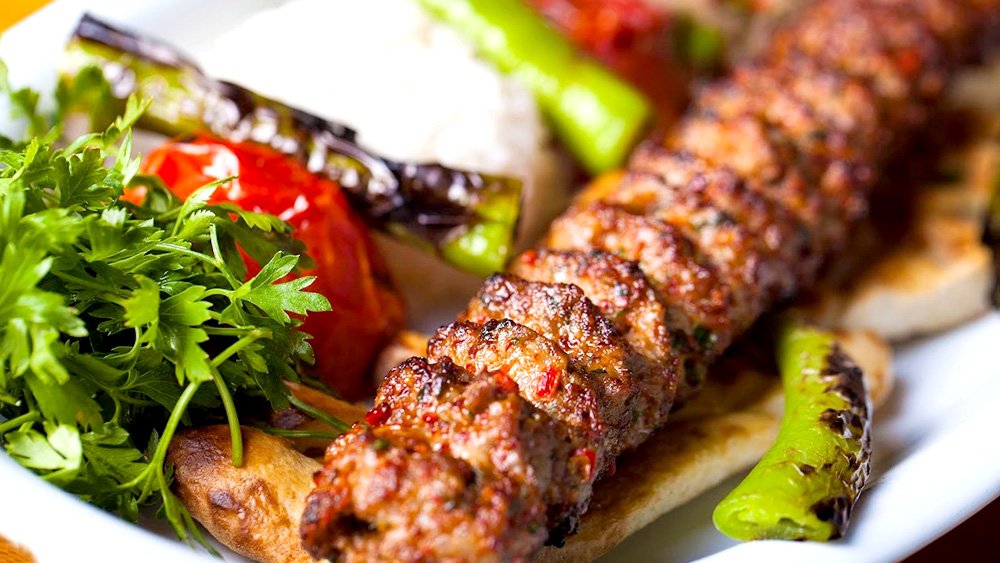
The kebap’s significance transcends mere sustenance; it often serves as the centerpiece of Turkish social gatherings, festivals, and family meals. Various regions in Turkey developed their own unique kebap styles, enriching the kebap tradition with local influences. For instance, the Döner, the Adana, and the Şiş kebap exemplify the regional adaptations and culinary creativity within Turkish society. Each of these variations showcases a unique blend of flavors and preparation methods.
Historical records and anecdotes further emphasize the cultural importance of kebap. It is said that one of the earliest mentions of kebap appears in the 1377 “Kebabi,” a manuscript referring to grilled meat delicacies. Various travel logs from European explorers who visited the Ottoman Empire also provide detailed accounts of their experiences with kebap, often marveling at the skill and flavors involved in its preparation.
Overall, Turkish kebap is more than just a dish; it is a reflection of Turkish cultural identity, embodying a rich history, diverse traditions, and communal values. Its evolution from simple grilled meat to a complex culinary masterpiece mirrors the intricate tapestry of Turkish history and society.
Different Types of Turkish Kebap
Turkish cuisine is renowned for its diverse and flavorful kebap varieties. Each type of Turkish kebap comes with its own unique set of ingredients, preparation methods, and presentation styles, providing a rich gastronomic experience to food enthusiasts. Here we explore some of the most popular and distinctive types of Turkish kebap.
Shish kebap, for instance, is perhaps the most well-known outside Turkey. This kebap is typically made from marinated chunks of lamb, beef, or chicken, skewered and grilled to perfection. The marination process, often involving yogurt, olive oil, and a blend of aromatic spices, ensures the meat remains tender and flavorful. The result is a delectable dish that showcases the harmony of spices and fresh meat, often accompanied by grilled vegetables and flatbread.
Another iconic type is the doner kebap, which is made from seasoned meat stacked in the shape of an inverted cone and slowly roasted on a vertical rotisserie. Thin slices are carved off and served with pita bread or rice. The doner kebap’s preparation imparts a succulent texture and a well-rounded, savory taste, making it a global favorite.
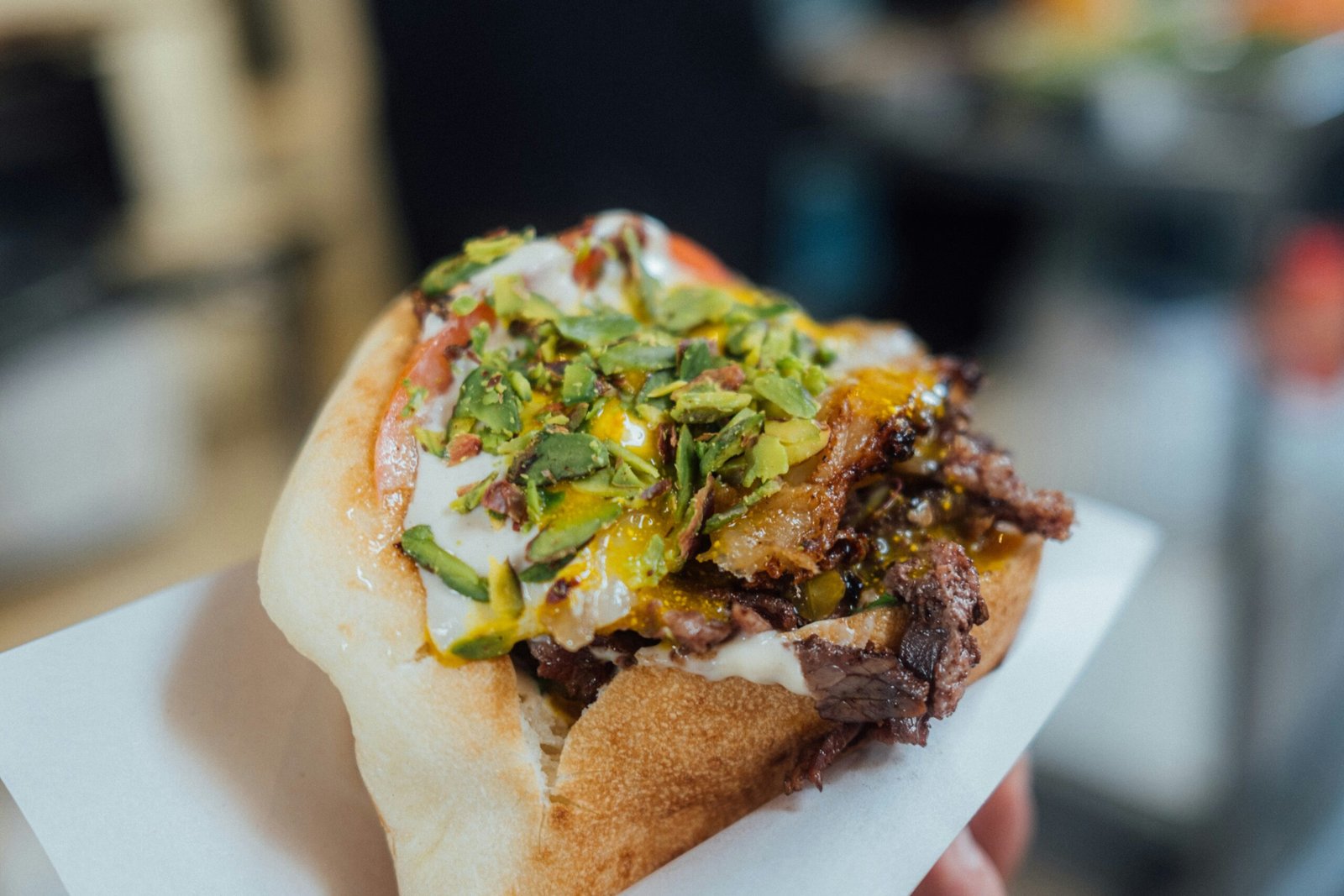 On the regional front, the Adana kebap offers a spicier alternative. Named after the city of Adana, this kebap consists of hand-minced lamb, seasoned with a mix of paprika, cumin, and garlic. The meat mixture is then wrapped around flat metal skewers and grilled over charcoal. The intense heat sears the meat, creating a crispy exterior while maintaining a moist and juicy interior, resulting in a distinctive smoky flavor.
Urfa kebap, similar to the Adana kebap but without the extra heat from red pepper flakes, provides a milder option for those who prefer a subtler taste. It originates from the city of Şanlıurfa and combines lamb or beef with onions, garlic, and a mix of regional spices. Grilling over an open flame enhances the depth of its flavors, delivering a sumptuous gastronomic delight.
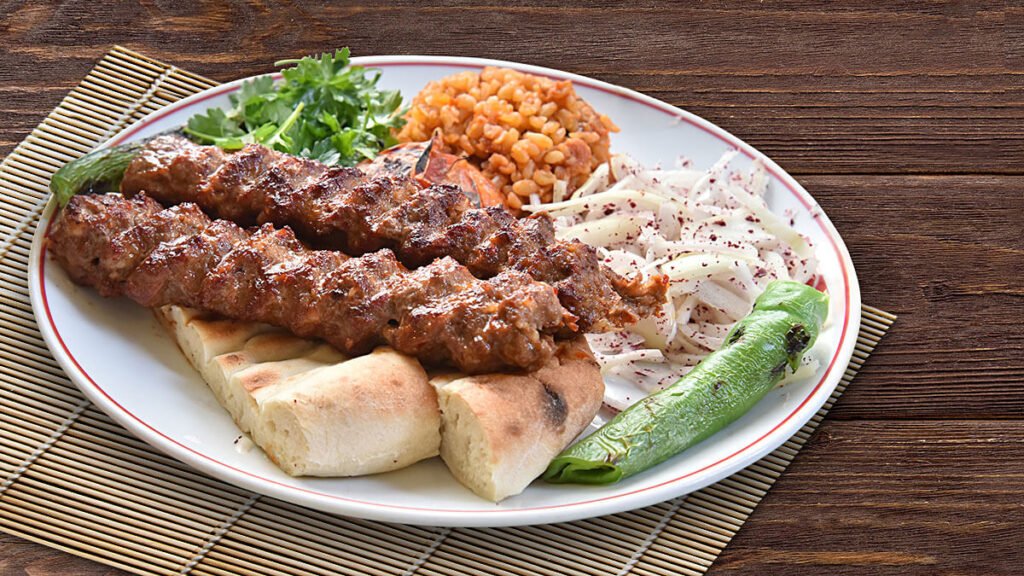
Iskender kebap, a specialty from the northwestern city of Bursa, is another regional treasure. This kebap features thinly-sliced grilled lamb or beef placed on a bed of pita bread, generously drizzled with hot tomato sauce and melted butter, and accompanied by a dollop of creamy yogurt. The combination of textures and rich flavors epitomizes the indulgent side of Turkish cuisine.
Thus, the spectrum of Turkish kebap is vast and varied, each type offering a distinctive flavor profile and texture. Appreciating these differences not only enhances one’s culinary experience but also provides a deeper understanding of Turkey’s rich cultural heritage.
The Art of Making Authentic Turkish Kebap
Creating authentic Turkish kebap at home is a culinary art that brings the vibrant flavors of Turkey right to your kitchen. To achieve an authentic taste, start with high-quality meat. Traditionally, lamb and beef are the preferred choices, though chicken is also widely used. Opt for cuts that offer a balance of tenderness and flavor, such as lamb shoulder or beef chuck.
The marinade is crucial in imbuing the meat with the rich flavors characteristic of Turkish kebap. A blend of olive oil, grated onion, minced garlic, ground cumin, sumac, paprika, and a hint of black pepper forms the base of the marinade. Allow the meat to marinate for several hours, or preferably overnight, to enhance the depth of flavor.
Grilling the meat over charcoal is the traditional method and imparts a unique smoky aroma. However, a gas grill or even a stovetop grill pan can be effective alternatives for home cooks. To achieve the perfect char, ensure the grill is preheated to a high temperature. Place the marinated meat on skewers—metal ones are preferred due to their ability to retain heat—and avoid overcrowding to ensure even cooking.
Maintaining juiciness is key to a perfect kebap. Frequent basting with a mixture of melted butter and lemon juice can help keep the meat moist. Additionally, aim for a balance between a well-seared exterior and a tender, juicy interior by flipping the skewers periodically and monitoring the grill temperature.
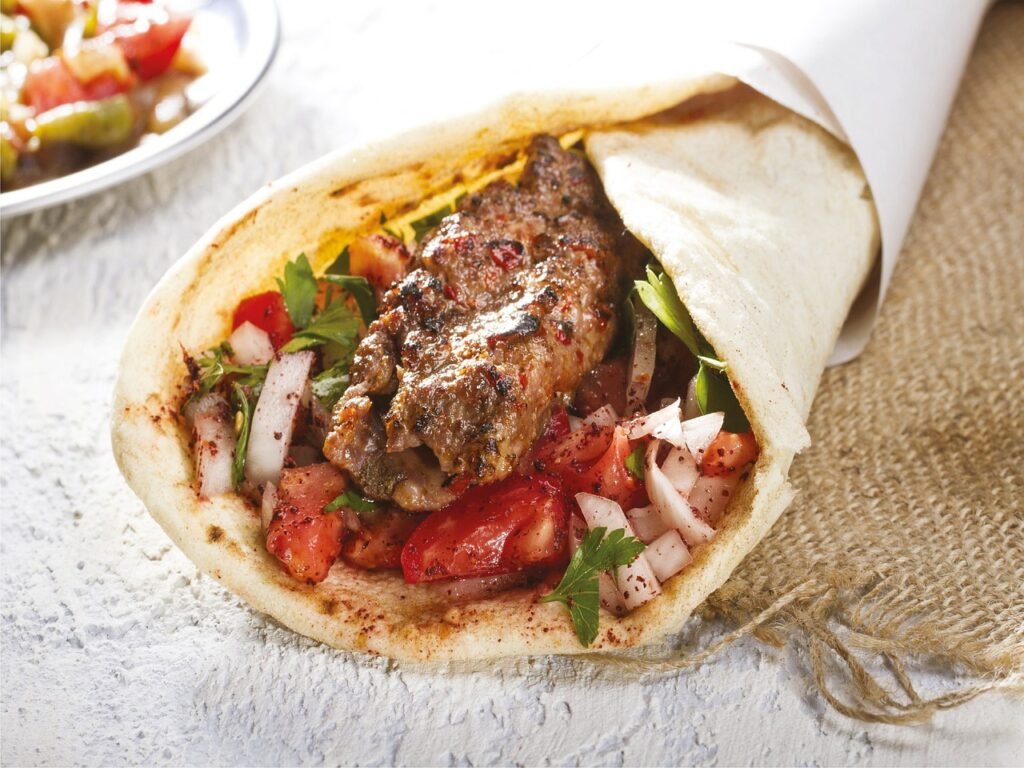
Complementing the kebap with traditional accompaniments enhances the overall experience. A dollop of thick, creamy yogurt, fresh herbs like parsley and mint, and a side of sumac-dusted onions can elevate the dish to new heights. For a modern twist, serve the kebap with a fresh vegetable salad or wrap it in soft flatbread with a drizzle of tahini sauce.
By following these guidelines and remaining attentive to the details, home cooks can successfully replicate the authentic taste of Turkish kebap, making any gathering a memorable culinary journey.
Pairing Kebap with Sides and Drinks
The experience of enjoying Turkish kebap can be significantly enriched with the right accompaniments. Traditional side dishes such as bulgur pilaf and pita bread are staples that complement the rich, savory flavors of kebap. Bulgur pilaf, a lightly spiced wheat dish, offers a nutty flavor and a tender texture that balances the robust tastes of the grilled meats. Pita bread, on the other hand, serves as a versatile side, perfect for scooping up kebap morsels or soaking up delicious juices.
Roasted vegetables are another excellent option to serve alongside Turkish kebaps. Commonly used vegetables like bell peppers, tomatoes, and eggplants can be seasoned with a mix of Mediterranean spices and roasted to perfection, providing a smoky flavor that pairs smoothly with grilled meats. Additionally, classic mezes such as hummus and babaganoush add depth to the meal. Hummus, a creamy chickpea dip, and babaganoush, a smoky eggplant puree, introduce delightful contrasts in both texture and taste.
When it comes to drinks, the refreshing and tangy flavors of ayran, a yogurt-based beverage, can cleanse the palate and offer a cooling effect, making it an ideal pairing with the robust flavors of kebap. Turkish tea, often served in small tulip-shaped glasses, provides a warm and slightly bitter complement to the meal, enhancing the overall dining experience. For a more spirited option, raki, an anise-flavored drink, can be enjoyed. Its distinct taste and customary consumption with water and ice create a unique and memorable pairing experience.
To achieve a well-rounded Turkish meal, it is essential to balance flavors and textures. Combine savory and grilled kebap with the earthy notes of bulgur pilaf, the smoothness of creamy mezes, and the refreshing qualities of traditional Turkish drinks. By thoughtfully pairing these elements, you can elevate your Turkish dining experience, turning a simple meal into a flavorful and harmonious culinary adventure.